We’ve refined exterior painting techniques specifically for Filer’s challenging climate, where temperature swings exceeding 50°F demand precise surface preparation including power washing at 1,500-2,500 PSI, moisture monitoring below 15% content, and EPA-compliant lead testing for pre-1978 homes. Our systematic approach matches acrylic latex formulations to substrate specifications, employs airless sprayer application at manufacturer-recommended mil thickness, and implements strategic three-to-four-day timelines that adapt to regional humidity and wind variations. This detailed guide reveals the professional protocols that protect your investment against Magic Valley’s intense UV exposure and moisture intrusion challenges.
Key Takeaways
- Pre-1978 homes require EPA-compliant lead testing before starting any exterior painting project in Filer, Idaho.
- Power wash at 1,500-2,500 PSI and ensure wood moisture content stays below 15% before painting.
- Exterior painting costs $2-$6 per square foot, with Idaho’s regional multiplier keeping prices 7% below national averages.
- Apply acrylic latex paint using airless sprayers at 3,000 PSI, then backroll wet edges for superior adhesion.
- Most projects complete in three-to-four days, accounting for Idaho’s seasonal weather variations and proper drying intervals.
Pre-Paint Inspection and Fixture Management
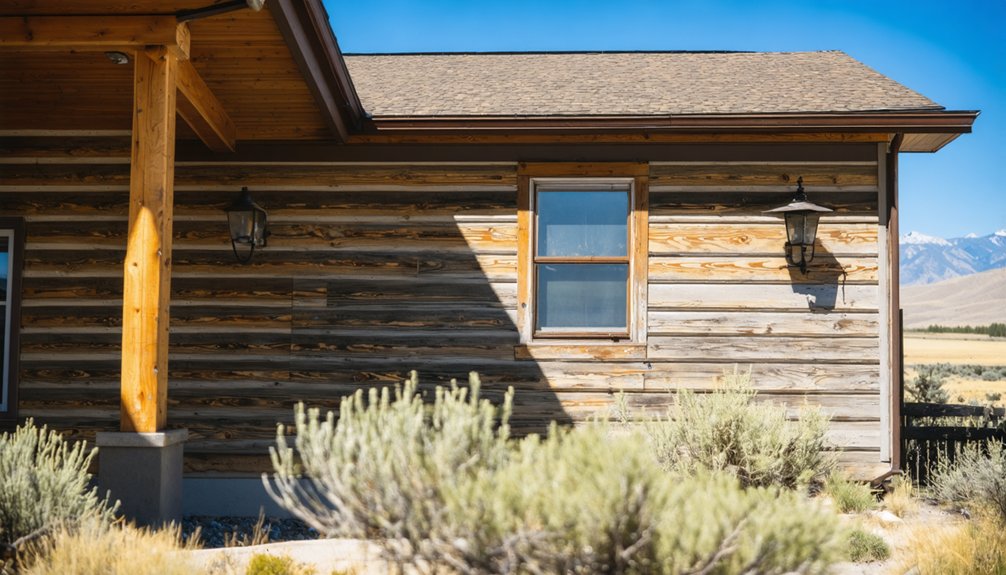
Before applying the first coat of paint to your Filer home’s exterior, we’ll conduct a thorough pre-paint inspection to identify surface defects and moisture intrusion that compromise adhesion. We’ll examine all substrates for peeling, chalking, and structural damage requiring remediation.
Homes built pre-1978 undergo EPA-compliant lead testing before surface prep begins.
We’ll systematically remove downspouts and fixtures, labeling hardware in secure bags for proper reinstallation. Protection protocols include poly sheeting deployment and drop cloth placement to contain debris.
Our moisture assessment checks for soft wood, swollen boards, and efflorescence—critical when planning energy efficiency upgrades.
This daylight inspection involves multiple technicians to guarantee complete coverage. We’ll verify surface cleanliness through hand-wipe testing before finalizing color palette considerations.
Proper front-end assessment prevents adhesion failure and maximizes coating longevity.
Surface Preparation and Repair Techniques
Surface preparation determines coating performance more than any other variable in the painting process. We’ll start with power washing at 1,500-2,500 PSI to eliminate contaminants that compromise adhesion. For stubborn areas, we’ll apply a bleach solution—one part bleach to three parts water—then allow 24-48 hours for complete drying.
Moisture monitoring is critical. We’ll verify wood substrates register below 15% moisture content using calibrated meters before proceeding. Substrate treatment involves removing loose paint with 80-120 grit sandpaper and replacing damaged materials with cedar, redwood, or pressure-treated alternatives.
We’ll degloss existing finishes and prime all bare wood, paying special attention to butt ends. High-build primers work best on textured surfaces, while alkyd primers guarantee superior adhesion on challenging substrates. Together, we’re establishing the foundation for lasting results.
Understanding Exterior Painting Costs in the Magic Valley
Proper surface preparation establishes the foundation for durability, but budget planning determines project feasibility. In our Magic Valley region, exterior painting costs range from $2 to $6 per square foot, reflecting Idaho’s 0.93x regional multiplier.
Magic Valley exterior painting averages $2–$6 per square foot, with Idaho’s regional multiplier keeping costs 7% below national rates.
We’ll encounter variations based on three critical factors:
- Siding material requirements: Wood siding ($1–$3/sq ft) demands different paint quality considerations than fiber cement ($2,000–$6,000 total project)
- Labor rates: Idaho’s skilled painters average $42 per hour
- Add-on services: Trim work ($2/linear foot), soffit and fascia ($2.50–$6/linear foot)
Weather impact factors considerably influence scheduling and material selection in our climate. For a typical 2,000-square-foot home, we’re looking at $3,000 to $8,000 total investment. Additional permits run $200–$300.
Professional Application Methods for Lasting Results
Achieving factory-finish quality on fiber cement and wood siding requires methodical execution across five interconnected phases: surface preparation, material selection, masking protocols, application techniques, and quality assurance checkpoints.
We prioritize paint compatibility by matching acrylic latex formulations to Hardie board specifications, guaranteeing adhesion under Treasure Valley temperature swings. Our airless sprayer techniques deliver uniform coverage at manufacturer-recommended mil thickness, eliminating lap marks and holidays.
We maintain ideal spray patterns at 3,000 PSI while backrolling wet edges for superior bonding.
Masking protocols protect windows and landscaping using Paint Block technology tape tucked beneath siding joints. We apply Peel Bond to cut edges before priming, preventing moisture wicking. Temperature monitoring confirms applications stay above 50°F thresholds. EPA-certified lead-safe practices govern pre-1978 homes.
Daily inspections verify seamless caulking integration and flawless trim detailing.
Project Timeline and Quality Control Measures
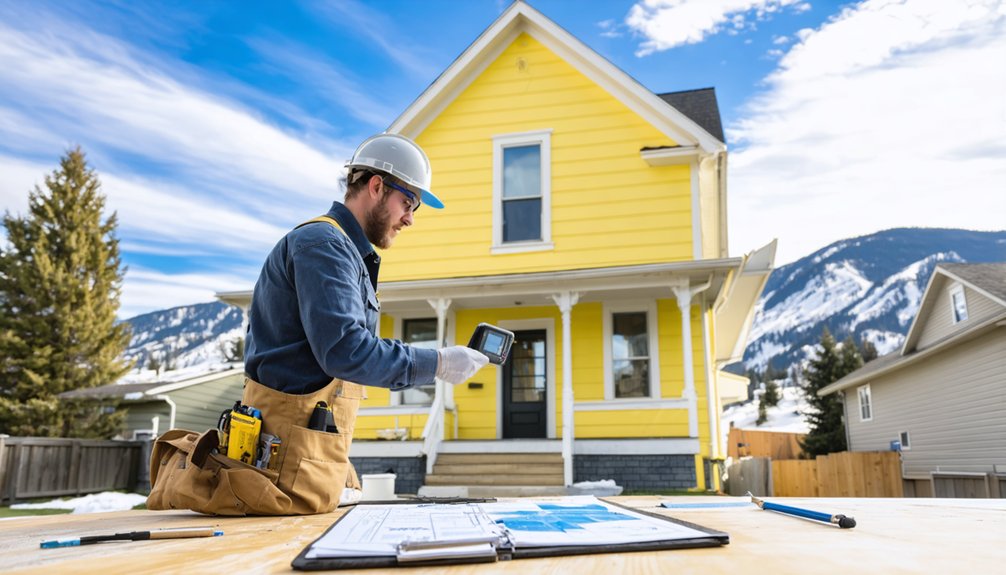
Our systematic approach to coating application demands equal rigor in scheduling and verification protocols. Understanding extended timeline considerations guarantees we maintain professional standards throughout each project phase.
Meticulous scheduling protocols and comprehensive timeline management ensure professional-grade results across every phase of your coating project.
In Filer’s climate, we’ve established precise benchmarks:
- Standard three-to-four-day completion with dedicated four-hour prep phases, followed by spray application and detail finishing sequences
- Strategic seasonal weather variations monitoring through seven-to-ten-day forecast analysis, prioritizing late spring through early fall execution windows
- Environmental adaptation protocols requiring temperatures consistently above 50°F, with adjusted application timing during extreme heat conditions
We factor multiple coat applications, three-hour minimum drying intervals, and accessibility challenges into our scheduling matrix. Our crews’ regional expertise allows real-time adjustment to humidity fluctuations, wind patterns, and temperature variations—ensuring proper curing and adhesion throughout your project’s duration.
Frequently Asked Questions
What Paint Colors and Finishes Work Best for Filer’s Climate Conditions?
We’ll guide you through color selection based on UV exposure and thermal cycling. Exterior paint durability in Filer’s climate requires high-quality acrylic formulations with fade-resistant pigments and semi-gloss or satin finishes for ideal weather protection.
How Often Should I Repaint My Home’s Exterior in Idaho?
We recommend repainting every 5-7 years in Idaho’s climate. Weather patterns—including freeze-thaw cycles and UV exposure—accelerate deterioration. We’ll assess your siding material and verify local regulations to establish your ideal maintenance schedule together.
Can Exterior Painting Be Done During Filer’s Winter Months?
We don’t recommend exterior painting during Filer’s winter months due to freezing temperatures. Proper surface preparation methods and exterior paint application techniques require consistent temperatures above 50°F for ideal adhesion, curing, and long-term performance on your home.
Do I Need Permits for Exterior House Painting in Filer?
We typically don’t need permits for exterior house painting alone in Filer. However, permit requirements apply if your project involves structural changes. Always verify local regulations with Twin Falls County, as remodeling work triggers different compliance standards.
What Warranty Should I Expect From Professional Exterior Painting Contractors?
We recommend expecting a 2-5 year paint quality guarantee covering workmanship defects like peeling and blistering. Professional contractors provide customer satisfaction warranties requiring proper maintenance, full payment, and written claims within specified timeframes for coverage.