We’ll start by conducting a thorough visual inspection under varied lighting to identify peeling, bubbling, or compromised coatings, followed by lead-based paint testing when necessary. Next, we’ll pressure wash at 1,500-2,500 PSI, scrape loose paint, and feather edges for seamless changes. We’ll then apply appropriate masking using .08 millimeter plastic film and seal all gaps with flexible caulk. Finally, we’ll select acrylic latex formulations optimized for Hailey’s high-altitude climate with its extreme temperature swings. Below, we’ll break down each critical preparation phase that guarantees lasting results.
Key Takeaways
- Inspect surfaces thoroughly for peeling, bubbling, or compromised coatings, and test for lead-based paint before beginning repairs.
- Pressure wash exterior at 1,500-2,500 PSI, scrape loose paint, and feather edges for smooth transitions.
- Adjust irrigation systems and sprinkler heads to prevent water overspray that can damage fresh paint applications.
- Protect surfaces using plastic films, drop cloths, and seal gaps with flexible caulk before painting begins.
- Choose acrylic latex paints in lighter colors for heat reflection and apply within optimal temperature ranges.
Evaluating Paint Condition and Identifying Surface Issues
A thorough paint condition assessment begins with systematic visual inspection under varied lighting conditions—natural daylight, direct overhead illumination, and oblique angles that reveal surface irregularities invisible under standard viewing. We’ll examine your exterior for peeling, bubbling, and compromised coatings that expose underlying substrates to moisture infiltration.
For Hailey homes constructed before 1978, we’re conducting pre repair testing requirements to detect lead-based paint presence. This isn’t optional—it’s critical for safeguarding your family and meeting regulatory compliance standards. When we identify deteriorated lead paint, we’ll implement lead dust containment protocols before any surface preparation begins.
Our paint thickness measurements document existing coating integrity, while digital assessment tools quantify substrate conditions requiring remediation. This data-driven approach guarantees we’re addressing every surface deficiency before primer application.
Protecting Your Investment Through Proper Water Management
Surface deficiencies we’ve documented during inspection mean nothing if water infiltration undermines your paint system before we apply the first coat. We’ll identify irrigation system upgrades that prevent overspray from saturating your home’s exterior.
Water infiltration destroys paint systems before application—irrigation upgrades prevent exterior saturation that undermines your investment.
Broken sprinkler heads lose up to 12 gallons per minute—water that accelerates substrate deterioration and coating failure. We’ll verify heads aren’t spraying too high or across pavement where runoff channels toward your foundation.
Smart controllers and rotary nozzles represent essential landscape water conservation measures that protect your paint investment. We’ll examine crawl spaces for service line leaks and check visible piping for failures.
Professional partners like Jolley Irrigation install 2-wire systems that eliminate overspray, while Eco Irrigation conducts audits identifying problematic zones. Proper water management isn’t optional—it’s fundamental infrastructure protection.
Preparing Trim, Fascia, and Exterior Hardware
While water management safeguards your home’s foundation and substrate, trim and fascia preparation determines coating longevity at critical junctures where moisture intrusion begins. We’ll pressure wash at 1,500-2,500 PSI, maintaining 12-18 inches from surfaces to prevent damage.
After 48 hours drying time, we scrape loose paint 6-12 inches beyond peeled areas and feather edges with 60-120 grit sandpaper for seamless shifts. Our inspection standards identify compromised sections requiring hardware replacement before coating.
We’ll hand-scrub textured areas and treat mildew with chlorine-based solutions on north-facing trim. Rusting nail heads get set below surface and spot-primed with rust-inhibitive formulations. We prime all prepared surfaces, back-brushing into crevices for maximum adhesion.
This thorough approach ensures your Hailey home’s trim system performs excellently through our demanding mountain climate.
Masking and Surface Protection Techniques
Effective masking and surface protection requires systematic layering of specialized materials matched to each substrate’s demands. We’ll implement economical floor protection using .08 millimeter plastic blanket film that resists tearing under ladder strain. On slick concrete, we recommend vinyl slip-resistant drop cloths—they’re 30 percent more effective than standard plastic.
For long lasting furniture coverings, we combine .04 millimeter blanket film with canvas drop cloths to prevent spills and splatters from compromising your pieces.
We’ll seal window and door gaps with flexible caulk that handles Hailey’s temperature extremes, applying during mild weather for ideal adhesion. Before masking, we pressure wash masonry and sand metal surfaces, ensuring complete dryness. This preparation eliminates dust, grease, and rust that compromise paint adhesion and material bonding.
Choosing the Right Paint and Application Methods
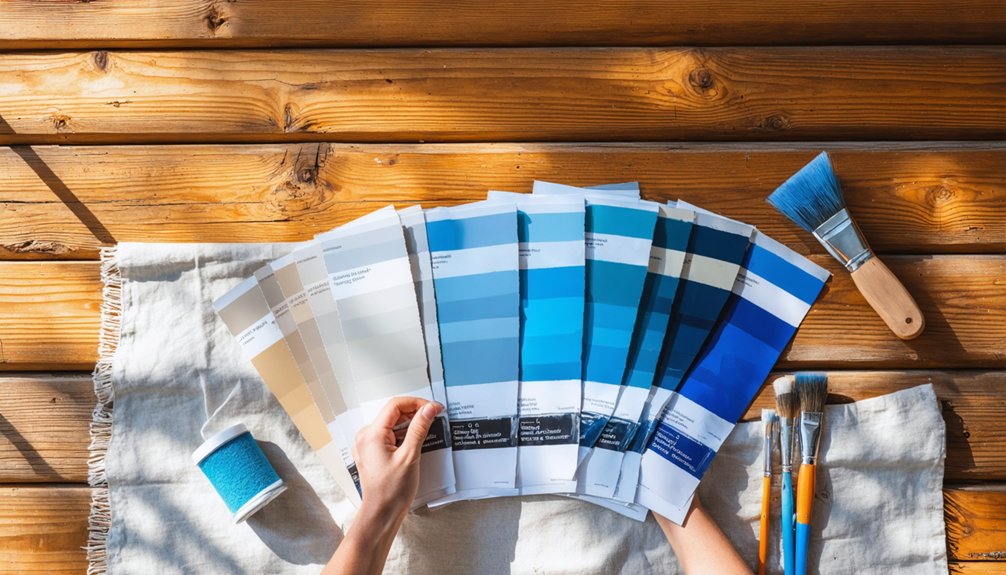
Selecting premium exterior coatings requires analyzing Hailey’s demanding climate profile—summer highs exceeding 90°F, winter lows plummeting below 20°F, and intense UV exposure at 5,318 feet elevation. We recommend acrylic latex formulations that provide thermal flexibility during temperature swings while resisting moisture from snowmelt and irrigation.
Hailey’s 70°F temperature range and high-altitude UV exposure demand acrylic latex coatings engineered for thermal expansion and moisture resistance.
Optimal specifications for mountain climate performance:
- Color selection: Lighter neutrals like Accessible Beige or White Dove reflect heat and minimize UV degradation compared to darker pigments
- Premium products: Sherwin-Williams Emerald Exterior or Benjamin Moore Aura deliver self-priming coverage with mildewcide protection
- Application timing: Execute coating operations when temperatures exceed 50°F with minimal precipitation forecast
- Advanced formulations: Rain Refresh technology enables moisture resistance during curing periods
We’ll guarantee your coating system withstands Idaho’s extreme environmental conditions.
Frequently Asked Questions
What Time of Year Is Best for Exterior Painting in Hailey, Idaho?
We’ll achieve the best results painting your exterior during May, June, or September when favorable weather conditions—mild temperatures and low humidity—ensure proper paint adhesion. These months provide ideal paint durability considerations, preventing premature failure from temperature extremes.
How Long Should I Wait Between Paint Preparation and Actual Application?
We’ll wait 30 days for new surfaces to cure completely. With proper surface preparation and ideal drying conditions at 68-72°F, most primers need just 3-4 hours before we can apply your topcoat together.
Do I Need Permits to Paint My Home’s Exterior in Hailey?
No, you won’t need a building permit for exterior painting. However, we’ll want to verify your homeowner association guidelines first, as some HOAs require design review approval for color changes, even when building code requirements don’t apply.
How Can I Choose Reliable Painting Contractors in the Hailey Area?
We’ll research local reviews from verified sources, compare pricing against Hailey’s $588-$832 range, and evaluate contractor availability. Check licensing status, insurance coverage, and years of experience to guarantee you’re selecting qualified professionals for your project.
What Is the Typical Cost Range for Exterior House Painting Locally?
Let’s paint the full picture: we’re looking at $4,565 to $6,028 for typical Hailey projects. Local paint pricing runs $1.50–$4 cost per square foot, factoring substrate preparation, material specifications, and application methodology our community expects.