We’ve found that quality exterior paint lasts 7-10 years on Idaho homes when properly applied, though this varies considerably based on your property’s exposure. High-altitude UV radiation, dramatic temperature swings, and intense sun on south-facing walls accelerate wear, while shaded areas often exceed this range. Premium acrylic latex formulations handle Idaho’s dry climate and seasonal extremes best. Your elevation, directional exposure, and maintenance practices will ultimately determine whether you’re repainting at year seven or year ten—understanding these factors helps you plan accordingly.
Key Takeaways
- Quality exterior paint lasts 7-10 years in Idaho, depending on sun exposure, wind, and snow conditions.
- High-altitude UV radiation and dramatic temperature swings accelerate paint deterioration, especially on south-facing surfaces.
- Premium acrylic latex paints handle Idaho’s temperature fluctuations and dry climate better than standard formulations.
- Shaded properties often exceed the standard lifespan, while high-exposure homes require earlier repainting.
- Annual inspections and twice-yearly low-pressure washing help maximize your exterior paint investment’s longevity.
Expected Lifespan of Exterior Paint in Idaho Conditions
In Idaho’s demanding climate, quality exterior paint typically delivers 7–10 years of protection when applied by professionals who understand regional conditions. We’ve observed that homes with substantial sun, wind, or snow exposure require repainting earlier, while shaded properties often exceed this standard range.
The difference comes down to proper paint application techniques and material selection—acrylic latex formulations handle our temperature swings without cracking, and premium brands like Benjamin Moore and Sherwin Williams provide superior topcoat durability against UV degradation and moisture intrusion. Your siding material profoundly impacts longevity: wood surfaces need attention every 5–7 years, while fiber cement or brick can stretch beyond 10 years.
Professional preparation and primer application guarantee adhesion in our dry conditions, maximizing your investment’s performance across Idaho’s challenging seasons.
How Idaho’s Climate Affects Your Paint’s Durability
Idaho’s climate subjects exterior paint to a relentless combination of high-altitude UV radiation, dramatic temperature swings exceeding 40°F between day and night, and seasonal precipitation cycles that test every coating’s limits. We’ve observed how our state’s intense solar exposure accelerates pigment breakdown on south-facing surfaces, while thermal cycling creates stress fractures around trim and joints.
The high desert conditions in regions like Boise—with humidity ranging 40-70%—actually work in our favor compared to coastal environments. However, heavy rainfall from November through April introduces moisture infiltration risks, particularly when combined with airborne contaminants that compromise film integrity.
Additionally, alkaline soil conditions common throughout Idaho can affect lower surfaces through splash-back, requiring strategic paint selection for ideal adhesion and longevity.
Temperature Requirements for Successful Exterior Painting
Understanding these environmental challenges means recognizing that application timing becomes just as critical as product selection for long-term performance. We’ve learned that proper paint preparation requires surface temperatures between 50°F and 90°F for standard latex products, though low-temperature formulations like Sherwin-Williams Duration allow work down to 35°F.
Our ideal application methods demand maintaining these thresholds for at least 36 hours post-application, with surfaces staying 5°F above the dew point throughout this period. We measure surface temperatures with infrared thermometers, not just ambient air readings, since direct sunlight can push substrates well above safe limits. Humidity between 40% and 70% guarantees optimal film formation.
When temperatures exceed 85°F, we risk incomplete curing and premature cracking—conditions that compromise the protection we’re working to establish.
Ideal Timing and Seasons for Painting Your Home’s Exterior
Choosing the right window for exterior painting separates successful projects from premature failures. We’ve found late spring (April–June) and early fall (September–October) consistently deliver ideal conditions in Idaho. These periods offer temperature stability between 50–70°F, low humidity below 50%, and minimal rainfall—critical factors for proper paint adhesion and curing.
Summer’s extreme heat requires early morning or evening application to prevent rapid drying and uneven finishes. Winter painting demands temperatures above 50°F both day and night; freezing conditions crack paint and compromise longevity.
Understanding local weather patterns helps us schedule effectively, though contractor availability during peak season may limit flexibility. We prioritize fall projects when possible—stable temperatures, reduced pollen, and lower humidity produce superior results that maximize your paint’s lifespan.
Protecting Your Paint Investment Through Proper Maintenance
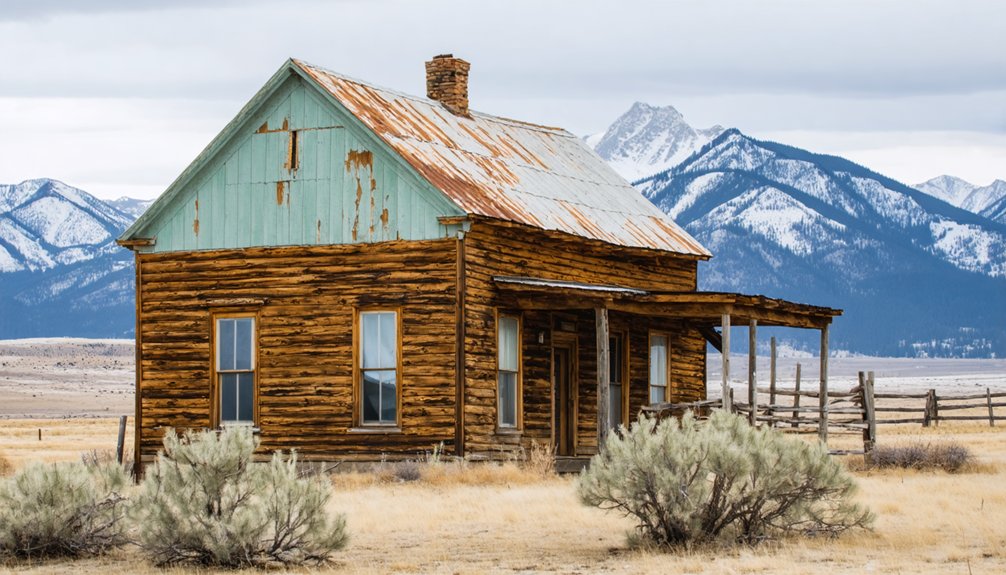
Professional exterior painting represents a significant financial investment—one that demands systematic maintenance to achieve ideal return. We recommend implementing annual spring or fall inspections to identify peeling, cracking, or UV damage before deterioration expands.
Our proper cleaning procedures include twice-yearly washing with low-pressure methods to remove mildew, pollen, and grime that compromise protective coatings. We address defects immediately—touching up small areas prevents costly repairs later.
Smart paint selection methods prove critical for Idaho’s climate variations. We specify high-grade, UV-resistant formulations for southern exposures and mildew-resistant products for northern regions. Acrylic latex paints deliver flexibility against temperature fluctuations.
We maintain perfect conditions during all maintenance activities: 40-70% humidity, temperatures above 50°F, and dry weather. Lighter colors—whites and grays—provide superior fade resistance while reflecting heat effectively.
Frequently Asked Questions
What Type of Paint Finish Works Best for Idaho Exterior Homes?
We’ve found that satin paint finishes perform best on 78% of Idaho exteriors, offering superior UV and moisture resistance. For wood elements, we recommend durable stains that penetrate deeply, withstanding our intense 300+ sunny days and harsh freeze-thaw cycles effectively.
Should I Hire a Professional or Paint My Home Myself?
We’d recommend weighing DIY project considerations against choosing a reputable contractor based on your experience level. Professionals handle Idaho’s harsh UV and freeze-thaw demands better, but smaller touch-ups work fine if you’re prepared for shorter longevity.
How Much Does Exterior Painting Cost in Idaho?
Typical exterior painting costs in Idaho run $2,500-$10,000 for most homes. We’ve found factors affecting painting costs include your home’s size, surface condition, stories, and location—with Boise averaging 10-15% higher than rural areas.
Does Home Insurance Cover Weather-Related Paint Damage?
We’ve found that home insurance typically covers weather-related paint damage only when tied to covered perils like hail or windstorms affecting your siding. Remember, policy deductibles apply, and weather-related claims require documenting the connection between storm events and damage.
Can I Paint Over Old Paint or Remove It First?
Think of your home’s surface like a canvas—we can paint over sound, adhered coatings after cleaning and priming. However, power washing requirements and scraping off old paint become necessary when we find peeling, cracking, or chalking from weather damage.